 Emojion
👋 흔드는 손
의미
Primarily used for hello and goodbye, but depending on context it can also signal dismissal or a definitive farewell.
키워드: 거기 있어?, 나중에 봐, 똑똑, 바이, 안녕, 이따가 봐, 잘가, 펼친 손, 헤이
이 이모지는 피부색 변형이 있습니다.
전 세계에서의 사용법
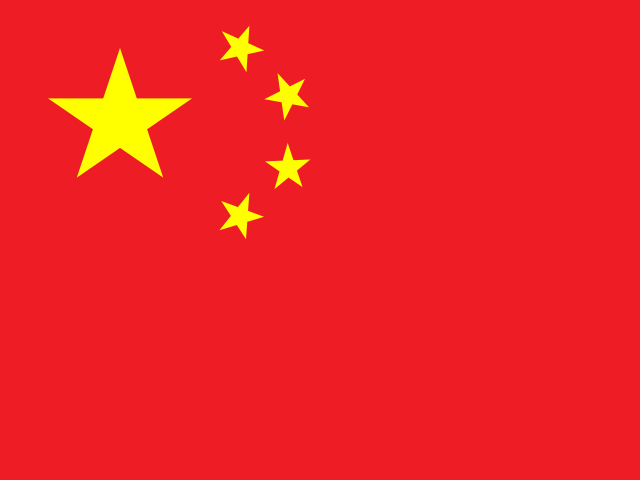 China
ChinaOn WeChat, sending this emoji signals the end of a friendship (友尽 yǒu jǐn). What looks like a casual hello reads as 'we're done' to younger Chinese users — one of the starkest platform-specific emoji shifts around.
💡 알고 있었나요?
Approved in Unicode 6.0 (2010) as 'Waving Hand Sign,' it became part of Emoji 1.0 in 2015, the same year five skin tone variants were added.
💡 알고 있었나요?
On Chinese WeChat, 👋 has become shorthand for ending a friendship. A casual 'hey!' can land as a breakup notice — proof that the same emoji means very different things depending on the platform and culture.
이 페이지가 도움이 되었나요?